Introduction
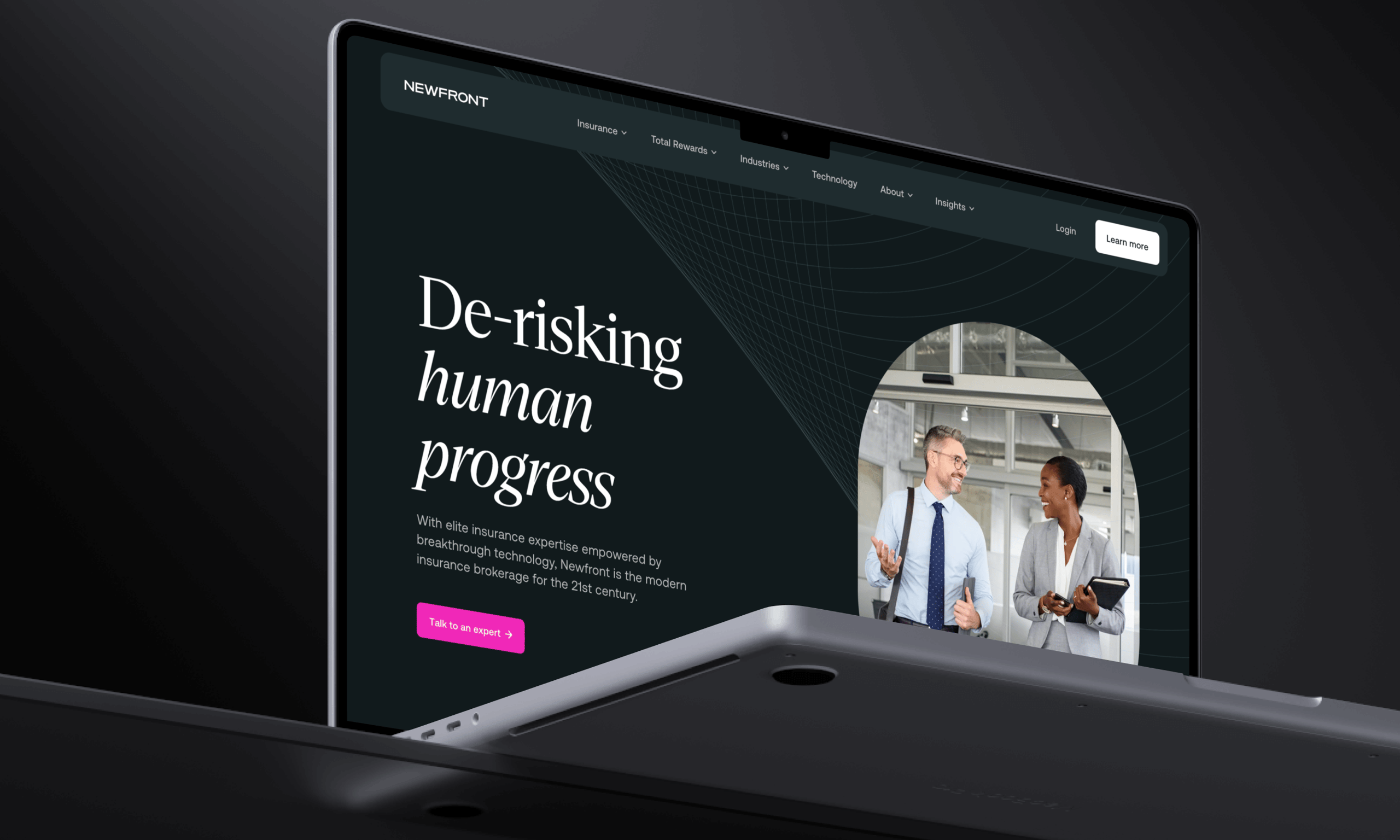
Newfront already used Next.js. The problem was that its public website, customer dashboard, and internal apps lived in one application. We separated the marketing website so publishing no longer depended on that shared build.
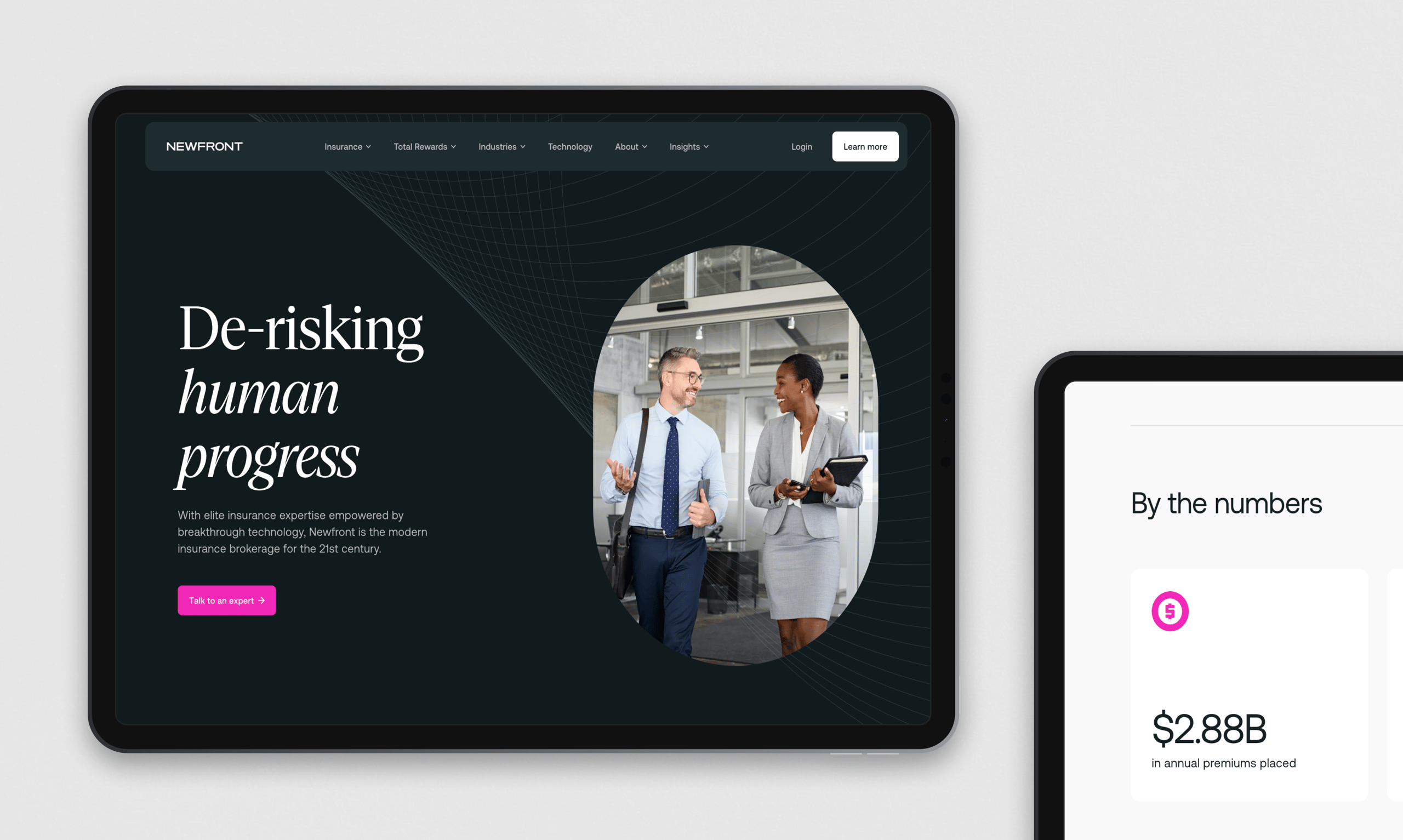
For the insurance company, a routine website update had become a coordination task between marketing and engineering. The project focused on giving the public website its own implementation and publishing workflow while retaining the frontend technology the team wanted to use.
A website tied to the product build
The public website, customer dashboard, and internal applications were combined in a single Next.js app. Builds were slow, the implementation was difficult to navigate, and marketing updates required back-and-forth with developers.
The publishing workflow added another dependency. A complex templating setup and webhooks triggered rebuilds and deployment. Marketing needed to add or edit a page and see it on the website without relying on the product team to carry the change through that process.
Why we kept Next.js
Newfront’s engineering team wanted to use Next.js so it would have fewer frontend technologies to maintain. We kept that choice and upgraded the framework as part of the original project. The central change was the application boundary: the marketing website became a separate project.
This was a targeted rebuild around an existing technical decision. The question was which responsibilities belonged together, and which were making publishing unnecessarily dependent on unrelated applications.
What we changed
| Starting point | Delivery decision | Effect on the team |
|---|---|---|
| Website and internal apps in one Next.js project | Separate the marketing website into its own project | Website work could proceed independently of the product application |
| Content changes required developer coordination | Make the CMS publishing workflow usable by marketing | The marketing team could make and publish its own changes |
| Slow builds coupled to the larger app | Reduce the website’s dependence on that shared build | Faster website updates |
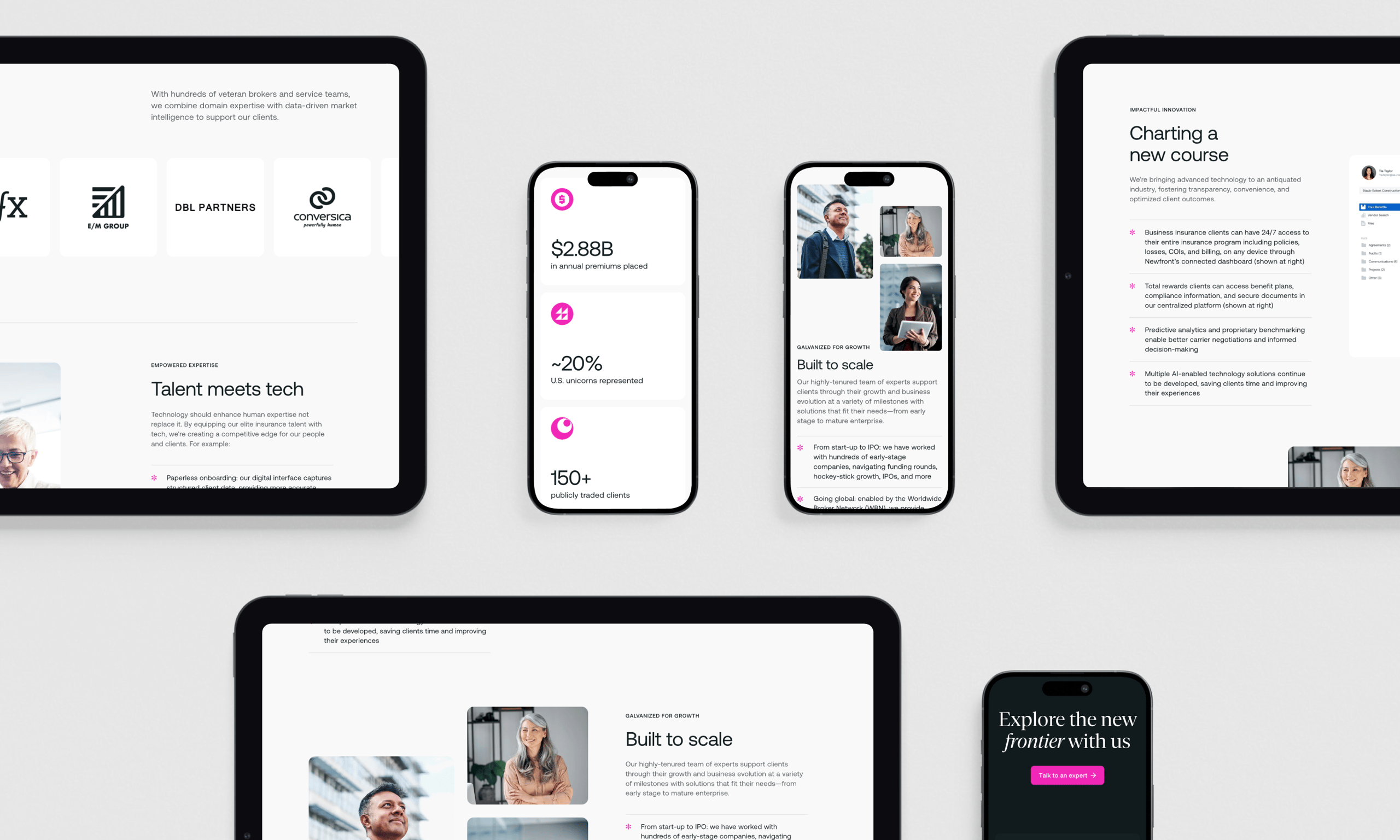
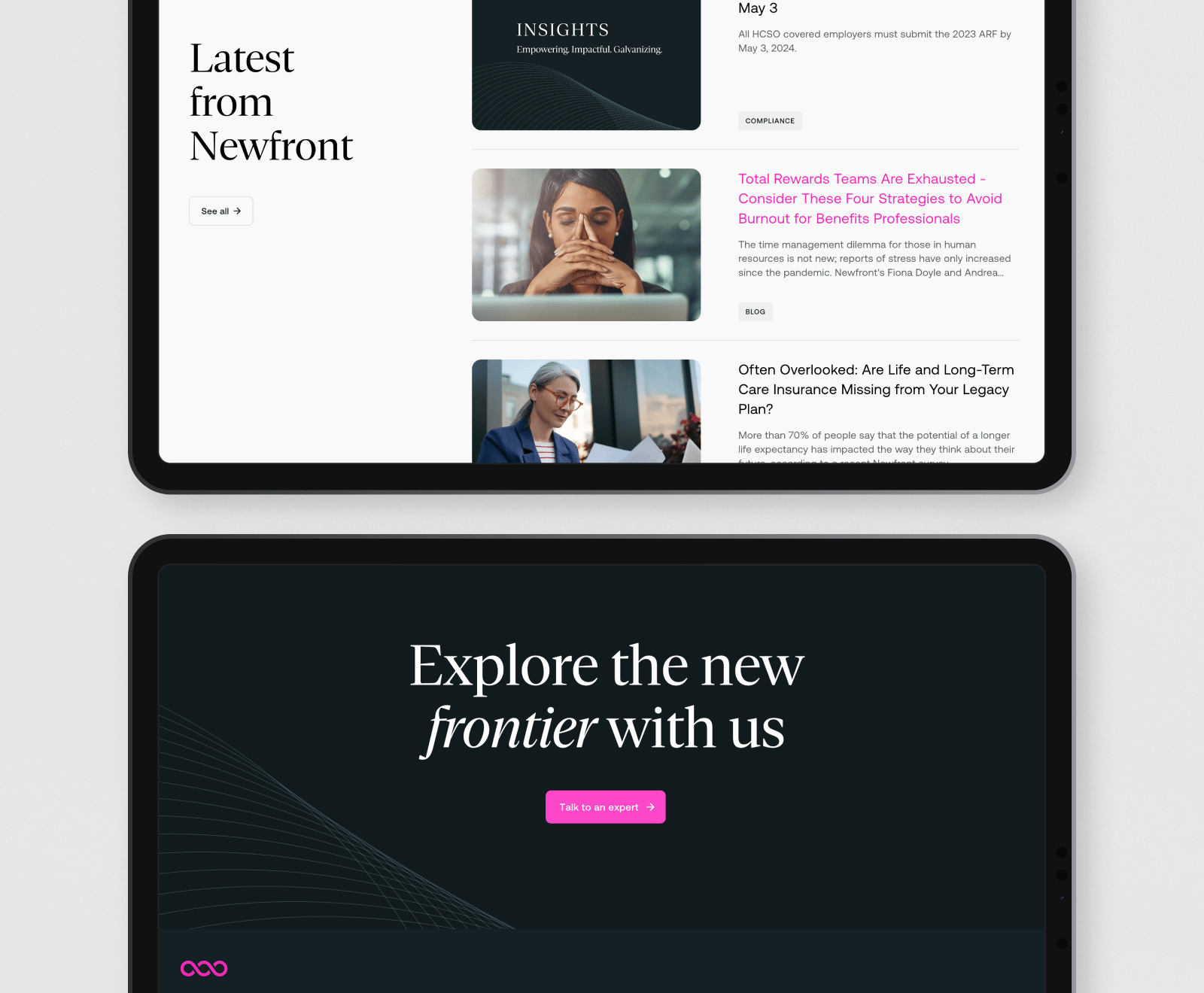
| A dark brand theme with lighter pages also needed | Build reusable components that supported both themes | A consistent implementation across the different page designs |
The component work mattered alongside the project separation. The original implementation used themeable UI components to support both dark and light pages. That let the team work within a reusable system while giving individual pages the presentation they needed.
What changed for marketing and engineering
The website decoupling was delivered in one month. Marketing gained direct control of content updates through the CMS, while engineering could focus on the product. Build times improved, although the published case does not provide a timed before-and-after benchmark.
For a team facing the same constraint, this case illustrates a useful starting point for an audit: map the steps between editing a page and getting it live. If those steps depend on unrelated product applications, separating the website may address the bottleneck while preserving a framework the engineering team already knows.
Our Next.js development service covers that implementation work. The broader website migration service explains how we scope content, integrations, release responsibilities, and the operating model around it.

Testimonial

Since 2019, Bejamas has been an essential partner for Newfront, customizing their services to accommodate our fast expansion through a flexible architecture with Next.js, Contentful, and Vercel at its core. Their dedication to high standards and a proactive attitude has significantly enhanced our web presence, proving that our continued partnership is vital to our success. The smooth implementation of a modern web tech stack helps us grow even faster!
Still waiting on developers to update the site?
Bring the steps your team currently follows to publish a page. We can help identify where the website depends on product engineering and scope a publishing workflow your marketing team can run.